Industry Insights & Beauty Trends
Expert strategies, cosmetic manufacturing guides, and growth tips for beauty brand founders.
Top 10 Collagen Oatmeal Moisturizers for Wholesale Buyers
Table of Contents
Wholesale skincare is moving toward products that combine familiar nourishment with clear, evidence-informed positioning. Collagen Oatmeal Moisturizer fits this direction by pairing a popular cosmetic ingredient with oatmeal, a recognizable soothing component. The format can suit pharmacies, beauty retailers, spas, and online distributors seeking practical daily-care products.
Grand View Research reports that the global skincare market is projected to grow at a steady pace through 2030, supported by premiumization and ingredient awareness. Meanwhile, market analyses from Euromonitor International continue to highlight demand for gentle, multifunctional skincare with credible claims. These reports do not guarantee product success. They show a wider commercial environment. Buyer judgment still matters.
For wholesale purchasing, formulation quality should come before attractive packaging. Review the full INCI list, collagen source, oatmeal form, preservative system, fragrance level, and declared shelf life. Ask suppliers for stability data, microbiological testing, batch documentation, and packaging compatibility records. A cream that feels smooth on day one may separate after transport. That detail can become expensive.
The following selection examines ten Collagen Oatmeal Moisturizer options for wholesale buyers. It considers texture, ingredient transparency, packaging practicality, minimum order quantities, customization potential, and supplier reliability. Not every product will suit every market. Some formulas may need better sensory refinement or clearer documentation. That is worth acknowledging.
Reliable purchasing requires more than trend watching. It requires evidence, consistent communication, and realistic expectations about cosmetic performance.
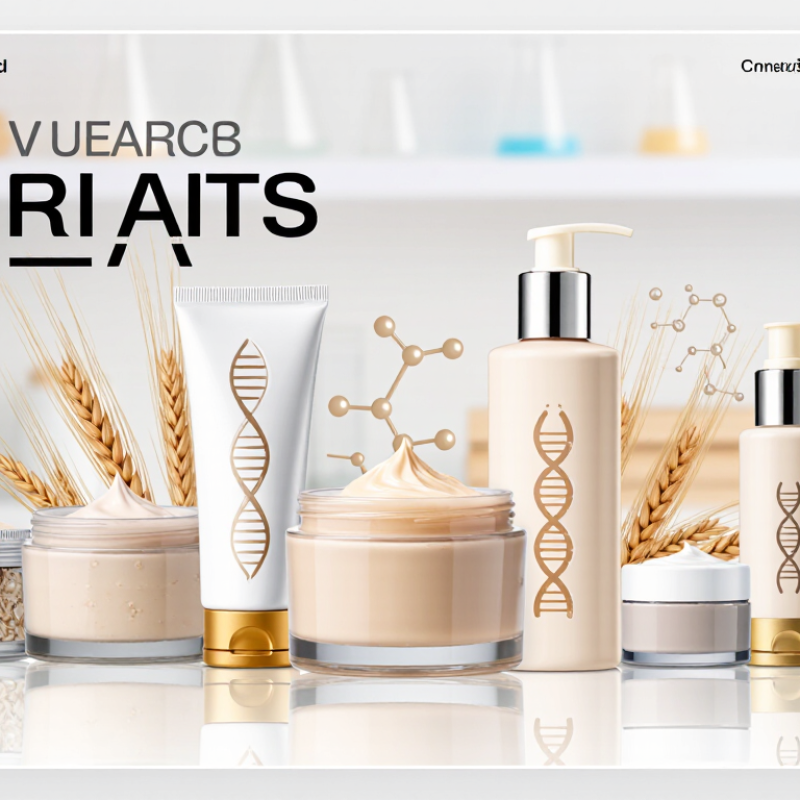
What Collagen Oatmeal Moisturizers Are and How They Work
Collagen oatmeal moisturizers combine water-binding agents, skin-conditioning oils, and barrier-supporting ingredients. Collagen is usually hydrolyzed into smaller peptides for cosmetic formulas. However, topical collagen rarely penetrates deeply enough to rebuild dermal collagen. It mainly forms a soft film and helps reduce moisture loss. The label can still mislead.
Oatmeal contributes colloidal particles, beta-glucan, and naturally occurring avenanthramides. These ingredients can soothe dryness and support a comfortable skin feel. Colloidal oatmeal is recognized by the U.S. FDA as a skin-protectant ingredient when used under applicable conditions. For wholesale buyers, this distinction matters. A moisturizer should not promise to treat eczema, wounds, or other medical conditions without appropriate authorization.
Market demand also supports careful category planning. Grand View Research estimated the global skincare products market at USD 155.7 billion in 2022, with continued growth projected through 2030. That figure covers many product types, not collagen oatmeal moisturizers specifically. Still, it shows strong commercial space for hydration-focused products. Buyers should review INCI lists, peptide sources, oatmeal concentration, fragrance levels, preservative systems, and stability testing. A smooth jar texture is not enough. Check separation after heat-and-cold cycles, especially for large wholesale shipments. Marine or animal-derived collagen may affect vegan positioning and allergen communication. Some formulas feel impressive on day one, then become sticky. That needs honest testing.
Key Ingredients and Skin Benefits to Compare
Top 10 Collagen Oatmeal Moisturizers for Wholesale Buyers
A practical comparison starts with the ingredient list, not the collagen claim. Hydrolyzed collagen can form a moisture-holding film on the skin. It does not replace collagen deep within the dermis. Buyers should assess this claim carefully. Colloidal oatmeal may calm dryness and support the skin barrier. It suits products designed for sensitive or rough-feeling skin. Look for clear INCI names and documented ingredient specifications.
Glycerin and hyaluronic acid can improve surface hydration, while ceramides help reduce moisture loss. Niacinamide may support barrier function and improve uneven-looking tone. However, higher levels are not automatically better. A simple formula may perform more comfortably than an overloaded one. Check whether the moisturizer contains essential oils, strong fragrance, or drying alcohols. These choices may affect repeat purchases from sensitive-skin customers.
Texture also matters for wholesale selection. A dense cream may work well in winter, but feel heavy in humid markets. A lighter emulsion can absorb quickly, though it may need stronger barrier ingredients. Compare pH, preservation testing, packaging compatibility, and stability data. Airless packaging can reduce repeated exposure to air and fingers. Claims should match available testing, not attractive assumptions. This is where comparisons become imperfect. Suppliers may disclose different testing methods, making direct ranking difficult. Request samples, observe spreadability, and check skin comfort after several uses. A useful product should leave skin soft, not coated or tight.
Top 10 Formulation Profiles for Wholesale Buyers
Wholesale buyers need more than a pleasant texture. They need clear formulation profiles, repeatable specifications, and realistic claims.
Profile one combines colloidal oatmeal with hydrolyzed collagen for a soft, cushiony cream.
Profile two adds oat beta-glucan for lightweight hydration.
Profile three pairs oatmeal with ceramides for a richer barrier-focused formula.
Profile four uses squalane to reduce drag without heavy residue.
Profile five includes panthenol for a smooth, comfortable finish.
Profile six blends niacinamide with oat extract for a balanced daily moisturizer.
Profile seven uses shea butter for dry-skin positioning.
Profile eight combines glycerin and hyaluronic acid for a fresh gel-cream feel.
Profile nine adds allantoin for a gentle, calming profile.
Profile ten uses oat lipids and soluble collagen in a protective night cream.
During wholesale evaluation, check the ingredient list, pH range, viscosity, fill weight, and batch consistency. A pilot sample should survive temperature cycling and repeated opening. Watch for separation around the cap and changes in oat color. Those small details often affect returns.
Collagen is not a miracle ingredient. Its surface-film effect may improve feel, but it does not replace proven barrier materials. Oat powders can also create settling or a grainy impression when processing is weak. I would request stability data, microbial testing, packaging compatibility, and claim support before placing a large order. No profile suits every market. Cost, climate, skin preference, and retail format still matter.
Wholesale Evaluation Criteria: Quality, Packaging, and Compliance
Top 10 Collagen Oatmeal Moisturizers for Wholesale Buyers
Wholesale Evaluation Criteria: Quality, Packaging, and Compliance
A practical wholesale review begins with formula evidence, not attractive product photography. Request the full ingredient list, batch records, and recent stability data. Collagen should be clearly identified by source and function. Oatmeal extracts need consistent specifications and controlled processing. Check texture, scent, absorption, and residue across several samples. Test the seal.
Ask for microbial testing, heavy metal screening, and a certificate of analysis for each batch. Packaging should protect the moisturizer from light, air, and repeated handling. Airless pumps may reduce contamination risks, while jars need strong inner seals and clean dispensing guidance. Inspect labels for readable ingredients, net contents, lot codes, expiry details, and responsible-party information. Small defects matter.
Compliance depends on the destination market, so request relevant product documentation before placing a large order. Cosmetic claims should remain supportable, especially statements about repair, healing, or sensitive skin. Confirm carton strength through drop testing and check whether labels survive humidity. A perfect spreadsheet still misses practical problems, such as a pump clogging after cold storage. I would record those failures rather than hide them. Suppliers who answer clearly, correct documents quickly, and maintain consistent batches offer stronger long-term reliability. Yet even reliable suppliers deserve periodic audits, because quality can drift after a successful launch.
Top 10 Collagen Oatmeal Moisturizers for Wholesale Buyers - Wholesale Evaluation Criteria: Quality, Packaging, and Compliance
| Rank | Anonymous Product | Collagen Source | Collagen Level | Oatmeal Ingredient | Key Moisturizing Base | Texture / Skin Feel | Primary Package | Shelf Life | Label & INCI Review | Compliance Documents | Indicative MOQ | Indicative Wholesale Price* | Overall Score |
|---|---|---|---|---|---|---|---|---|---|---|---|---|---|
| 1 | Formula 01 | Hydrolyzed marine collagen | 1.0% | Colloidal oatmeal, 1.0% | Glycerin, squalane, shea butter | Rich cream; low tack | Airless pump, 50 ml | 30 months unopened | Complete; claims screened | COA, SDS, stability, challenge test | 1,000 units | US$3.80–5.20/unit | 9.2/10 |
| 2 | Formula 02 | Hydrolyzed bovine collagen | 0.8% | Oat kernel extract, 0.5% | Glycerin, ceramide complex | Medium cream; fast absorption | Recyclable tube, 75 ml | 24 months unopened | Complete; allergen statement included | COA, SDS, stability, microbial test | 1,500 units | US$2.90–4.10/unit | 8.9/10 |
| 3 | Formula 03 | Hydrolyzed marine collagen | 0.5% | Colloidal oatmeal, 0.5% | Glycerin, panthenol, jojoba oil | Light lotion; non-greasy | Airless pump, 40 ml | 30 months unopened | Complete; fragrance-free claim supported | COA, SDS, stability, preservative efficacy | 1,000 units | US$3.40–4.80/unit | 8.7/10 |
| 4 | Formula 04 | Hydrolyzed bovine collagen | 1.2% | Oat beta-glucan, 0.3% | Glycerin, dimethicone, fatty alcohols | Dense balm; protective finish | Wide-mouth jar, 50 ml | 24 months unopened | Complete; usage directions included | COA, SDS, stability, microbial test | 2,000 units | US$2.60–3.70/unit | 8.5/10 |
| 5 | Formula 05 | Hydrolyzed marine collagen | 0.7% | Oat kernel flour, 0.8% | Glycerin, sunflower oil, allantoin | Cream-gel; smooth spread | Laminate tube, 60 ml | 30 months unopened | Minor claim wording review | COA, SDS, stability; challenge test pending | 1,500 units | US$2.40–3.60/unit | 8.2/10 |
| 6 | Formula 06 | Hydrolyzed bovine collagen | 0.6% | Colloidal oatmeal, 0.75% | Glycerin, cocoa butter, vitamin E | Rich lotion; moderate occlusion | Pump bottle, 100 ml | 24 months unopened | Complete; batch coding specified | COA, SDS, stability, microbial test | 2,500 units | US$2.10–3.20/unit | 8.0/10 |
| 7 | Formula 07 | Hydrolyzed marine collagen | 0.4% | Oat extract, 1.0% | Glycerin, hyaluronic acid, betaine | Light gel-cream; quick dry-down | Airless pump, 50 ml | 24 months unopened | Country-specific review required | COA, SDS, stability; packaging test pending | 1,000 units | US$3.00–4.30/unit | 7.8/10 |
| 8 | Formula 08 | Hydrolyzed bovine collagen | 0.5% | Colloidal oatmeal, 0.5% | Glycerin, petrolatum, ceramide | Protective cream; heavier finish | Tube, 100 ml | 24 months unopened | Complete; material declarations available | COA, SDS, stability, microbial test | 2,000 units | US$1.90–2.80/unit | 7.7/10 |
| 9 | Formula 09 | Hydrolyzed marine collagen | 0.3% | Oat beta-glucan, 0.2% | Glycerin, aloe juice, sunflower oil | Fluid lotion; satin finish | Recyclable tube, 50 ml | 30 months unopened | Ingredient origin statement pending | COA, SDS, stability; compatibility test pending | 1,500 units | US$2.20–3.10/unit | 7.4/10 |
| 10 | Formula 10 | Hydrolyzed bovine collagen | 0.3% | Oat kernel extract, 0.4% | Glycerin, mineral oil, shea butter | Traditional cream; slightly occlusive | Wide-mouth jar, 100 ml | 24 months unopened | Packaging recycling information pending | COA, SDS, stability; preservative test pending | 2,500 units | US$1.70–2.50/unit | 7.1/10 |
Sourcing, Pricing, and Private Label Considerations
Top 10 Collagen Oatmeal Moisturizers for Wholesale Buyers
When comparing collagen oatmeal moisturizers, begin with the factory, not the product photo. Request the ingredient list, manufacturing address, batch records, and recent certificates of analysis. Check whether collagen is marine, bovine, or another permitted source. This affects allergens, labeling, consumer expectations, and target-market acceptance. Ask for microbial, heavy-metal, and stability testing. A polished sample proves very little.
Pricing needs a wider lens. Compare the formula cost, container, carton, artwork, testing, freight, duties, and payment terms. A low quote may hide a high minimum order quantity or expensive custom packaging. Ask for price breaks at 1,000, 3,000, and 10,000 units. Keep one sample beside a kitchen scale. It makes fill volume easier to verify. Landed cost matters more.
Private label buyers should confirm who owns the formula and packaging artwork. Request a pilot batch before approving mass production. Test texture after heat, cold, and repeated opening. Oatmeal can feel comforting, but its scent and color may change across batches. That deserves attention. Also review claims carefully, especially “collagen boosting,” “hypoallergenic,” or “natural.” Requirements differ by market, so qualified regulatory review remains essential. My own sourcing mistake was trusting a stable first sample too quickly. The second batch was thinner. A written specification would have prevented that.
FAQS
Review the full ingredient list before judging the collagen claim. Hydrolyzed collagen may form a moisture-holding film on the skin. It does not replace collagen deep within the dermis. Ask for ingredient specifications and supporting test documents.
Colloidal oatmeal may calm dryness and support the skin barrier. It can suit sensitive or rough-feeling skin products. Check its exact ingredient name and processing specifications. Comfort matters.
Glycerin and hyaluronic acid can improve surface hydration. Ceramides may help reduce moisture loss. Niacinamide may support barrier function and improve uneven-looking tone. Higher levels are not always better.
Dense creams may suit cold, dry winters but feel heavy in humid markets. Lighter emulsions often absorb faster. Test spreadability, residue, and skin comfort after several uses. A comfortable product may encourage repeat purchases.
Request recent stability data, microbial testing, heavy metal screening, and batch certificates of analysis. Also request batch records and manufacturing details. Testing methods may differ between suppliers. Direct rankings can still be imperfect.
Packaging should limit exposure to light, air, and repeated handling. Airless pumps may reduce contact with fingers. Jars need strong inner seals and clear dispensing guidance. Test the seal.
Confirm formula ownership, artwork ownership, minimum order quantities, and complete pricing. Request a pilot batch before mass production. Test samples after heat, cold, and repeated opening. One stable sample proves little.
Compare formula cost, container, carton, artwork, testing, freight, duties, and payment terms. Check price breaks at different order volumes. A low quote may hide costly packaging or a high minimum order. Landed cost matters more.
Conclusion
This guide explores what a Collagen Oatmeal Moisturizer is and how its combination of skin-conditioning ingredients can support hydration, softness, and a smoother-looking complexion. It explains how collagen-focused formulas may help improve the appearance of firmness, while oatmeal-derived components can help soothe dry or sensitive-feeling skin. Buyers will also learn how to compare supporting ingredients, texture, absorption, fragrance options, and suitability for different skincare product lines.
Designed for wholesale buyers, the article presents ten formulation profiles with distinct positioning, such as lightweight daily hydration, rich barrier care, sensitive-skin support, and overnight moisture. It also outlines practical evaluation criteria, including ingredient quality, stability, packaging durability, labeling accuracy, manufacturing consistency, and regulatory compliance. Additional guidance covers supplier communication, minimum order quantities, pricing structure, sample testing, private label development, and customization options, helping purchasers select reliable products that match their target market and commercial goals.

Blog Tags: