Industry Insights & Beauty Trends
Expert strategies, cosmetic manufacturing guides, and growth tips for beauty brand founders.
Choosing a Camera Ready Foundation Primer supplier in China takes more than comparing prices. The right partner should understand how primer texture, spreadability, and dry-down affect foundation application under bright lights. A formula that feels smooth in a sample jar may behave differently across skin types or after several hours of wear. Details matter.
Makeup artist and beauty entrepreneur Bobbi Brown has said, “I believe all women are pretty without makeup—and can be pretty powerful with the right makeup.” That confidence depends partly on products performing as expected. For buyers, useful supplier questions include whether the primer suits different foundation bases, how batches are checked, and what testing supports wear and compatibility claims. Ask for current product specifications and representative samples. Then assess the finish, scent, packaging, and performance under realistic makeup conditions. Not every claim tells the full story.
This guide introduces China-based suppliers and the practical factors behind a careful shortlist: manufacturing capability, formulation options, communication, documentation, and quality consistency. A polished catalog is not proof of reliable production. Request clear answers, compare samples, and verify details before committing. Small differences can show on camera. Even a promising supplier may need closer review, and that part is easy to underestimate. A thoughtful evaluation helps buyers find a Camera Ready Foundation Primer partner whose product and process match their needs.
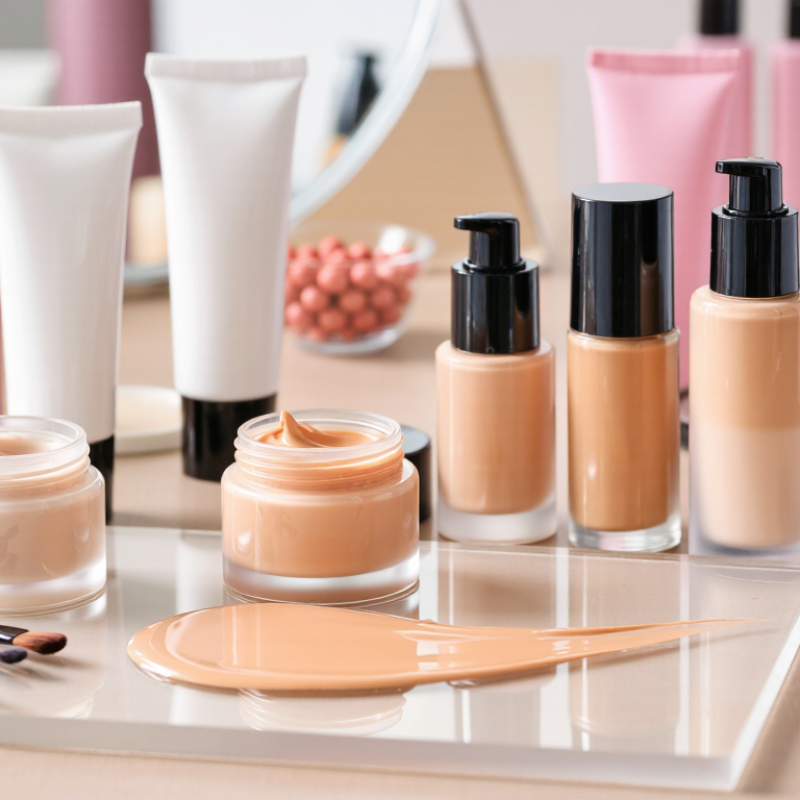
What Camera-Ready Foundation Primers Are and How They Work
A camera-ready foundation primer creates a smoother surface between skincare and makeup. Depending on its formula, it may soften the look of pores, reduce visible shine, or help foundation apply more evenly. Some primers form a light, flexible film; others use powders or emollients to change how skin feels. They do not erase texture. Good lighting still shows real skin, and that is normal.
Primer performance depends on skin condition, application, and the foundation layered above it. A thick coat can cause makeup to slip or gather around the nose. Using too much may also create pilling, especially when products do not layer well together. Let skincare settle first, then apply a thin amount and give it a moment to set. A primer is not magic. Results vary.
Tips: Test a small area before a full-face application. Use less than you think you need. Check the finish in daylight and under indoor lighting, since shine can look different on camera. If foundation separates, try adjusting the amount or waiting longer between layers. One imperfect test is useful information.
| China Top Camera Ready Foundation Primer Suppliers - What Camera-Ready Foundation Primers Are and How They Work | ||||
|---|---|---|---|---|
| Primer Feature | How It Works | Common Ingredient Types | Potential On-Camera Benefit | What to Check in a Sample |
| Surface smoothing | Forms a thin layer that can soften the appearance of uneven texture and help foundation spread more evenly. | Silicones such as dimethicone; film-forming polymers | Can create a more even-looking base under studio or natural lighting. | Check whether foundation applies evenly and whether the finish looks smooth in close-up images. |
| Oil-control finish | Absorbent powders can take up some surface oil, while mattifying formulas reduce visible shine. | Silica, starches, and other absorbent powders | May help limit shine in photographs, especially in the T-zone. | Assess shine over time and check for visible dryness, patchiness, or a powdery cast. |
| Hydrating base | Humectants attract and hold water in the upper layers of the skin; emollients help improve surface feel. | Glycerin, hyaluronic acid, and emollients | Can help foundation look less dry on skin that feels tight or dehydrated. | Check comfort, absorption, and whether foundation pills or separates when layered. |
| Adhesion and wear | Film-forming ingredients leave a flexible layer that can improve how makeup stays on the skin. | Film-forming polymers and selected silicones | May help foundation remain more uniform during wear; results depend on skin type and application. | Test with the intended foundation and assess transfer, separation, and wear under realistic conditions. |
| Color correction | Color pigments can visually balance some color variations before foundation is applied. | Iron oxides and other cosmetic colorants | May reduce the amount of foundation needed for the desired appearance. | Check the shade on the intended skin tone and confirm it does not create an unwanted cast in photos. |
| Soft-focus appearance | Light-scattering powders can diffuse reflected light and soften the appearance of fine surface irregularities. | Silica, mica, and other optical powders | Can produce a softer-looking finish; the effect varies with lighting and camera settings. | Review images in different lighting and at close range; check for excessive flash reflection. |
| Texture compatibility | Primer and foundation formulas interact; differences in their bases or drying behavior can affect layering. | Water-based, silicone-based, and hybrid formula systems | Compatible layers are less likely to pill or separate during application. | Apply both products in the intended order and amount, then check for rolling, streaking, or patchiness. |
| Supplier sample evaluation | A representative sample allows formula performance, packaging, and documentation to be reviewed before an order. | Product specification, ingredient information, and batch documentation | Supports a more informed assessment of suitability for a camera-ready makeup routine. | Request current product documentation and test the sample; verify applicable regulatory and quality requirements for the target market. |
FAQS
It should help foundation spread evenly, soften the look of pores, and control excess shine. It should not leave a heavy film.
Reflective powder may look pale under flash, while a very matte finish can emphasize dry patches. Test in daylight and soft studio lighting.
Apply a measured amount and let it set before layering the intended foundation. Check for pilling around the nose and streaking near the jaw.
A smooth first impression may not last. Look for separation around the nose or shine across the forehead later.
Check the nose, cheeks, hairline, jaw, and forehead. These areas can reveal pilling, streaks, or excess shine.
Ask for ingredient specifications, stability data, and documented quality-control procedures. Also check how changes to materials and production batches are managed.
Record sample lead time, minimum order quantity, packaging options, and defect handling. Small details matter.
No. Request samples from the same production batch and compare several rounds when possible. A quick hand test can fool me.
Conclusion
This article explains what a Camera Ready Foundation Primer is and how it helps prepare skin for foundation, including the role of texture, wear, and compatibility with makeup. It outlines key formulation features buyers may assess, such as smooth application, comfortable wear, suitable finish, and consistency across batches. The overview also describes China’s supplier landscape, where manufacturers may differ in production capabilities, customization options, communication, and quality systems.
For buyers comparing Chinese suppliers, the article recommends evaluating product samples, formulation expertise, manufacturing capacity, documentation, and responsiveness against clear requirements. It also highlights practical considerations for sourcing, quality control, and compliance, including defining specifications, checking ingredient and product records, agreeing on inspection procedures, and confirming that products meet the requirements of the intended market. These steps can help buyers make informed supplier comparisons and manage product quality throughout the sourcing process.