Industry Insights & Beauty Trends
Expert strategies, cosmetic manufacturing guides, and growth tips for beauty brand founders.
Choosing a Vegan Botanical Facial Wash for your brand involves more than selecting attractive plant names. It requires careful decisions about skin feel, ingredient traceability, formula stability, and customer expectations. A gentle cleanser may contain aloe, oat, calendula, or green tea, yet botanical ingredients can still trigger sensitivity. Vegan status also does not guarantee safety, purity, or environmental responsibility. The formula must be assessed as a complete product.
Start with a clear customer profile. Is the wash intended for dry, oily, sensitive, or combination skin? A foaming formula may feel refreshing, while a creamier cleanser can leave less tightness after rinsing. Review the full INCI list, preservative system, fragrance components, pH range, and rinse-off performance. Ask suppliers for identity documents, allergen information, contaminant testing, and cruelty-free evidence. Reliable records matter more than polished marketing language. Request stability and microbiological testing before making broad product claims. Packaging should also protect the formula from moisture, heat, and repeated handling.
Be specific.
A trustworthy brand should explain what its Vegan Botanical Facial Wash does, and what it does not do. Avoid unsupported promises such as “chemical-free,” “risk-free,” or guaranteed medical results. Marketing and regulatory requirements differ across markets, so qualified compliance professionals should review final claims. Some formulas look impressive on paper but disappoint at the sink because they sting, foam poorly, or leave residue. That possibility deserves attention. Reassess the formula after real user trials, not only after laboratory approval. A thoughtful product is not perfect; it is tested, documented, improved, and honestly presented.
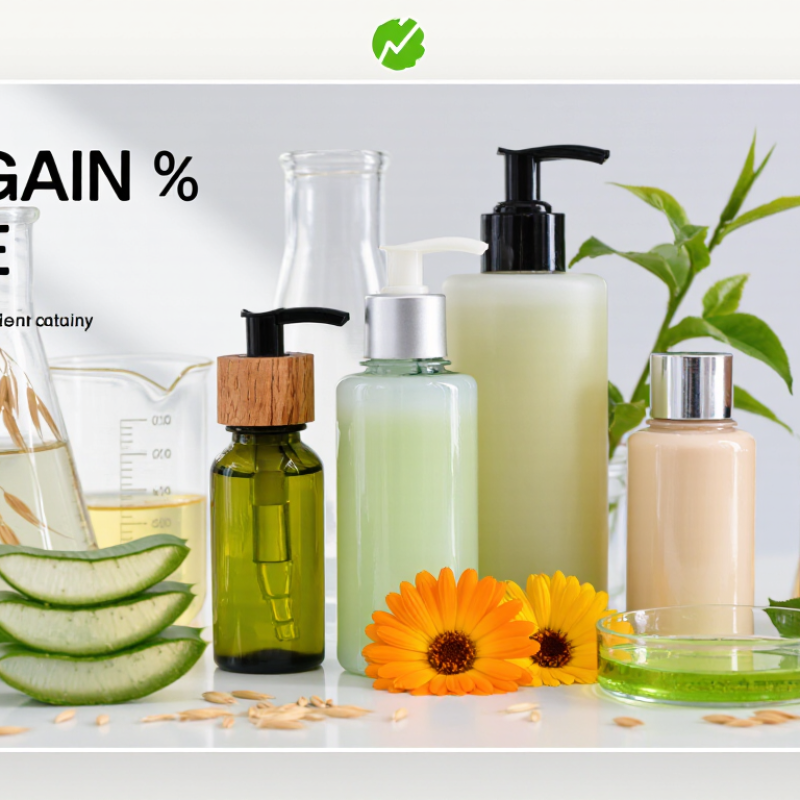
Define Your Brand’s Skin-Care Goals and Target Customer
Choosing a vegan botanical facial wash should begin with your brand’s skin-care goals. Are you targeting daily cleansing, gentle barrier support, oil control, or a sensory ritual? A clear goal helps guide texture, fragrance, packaging, and ingredient selection. For example, a lightweight gel may suit customers with combination skin and humid lifestyles. A creamy, low-foam cleanser may feel better for dry or easily irritated skin.
Know your customer in practical terms. Consider age, climate, routine, budget, and ingredient expectations. A city-based customer may want a quick wash that removes sunscreen and pollution residue. Someone with sensitive skin may prefer a short formula with minimal essential oils and no added fragrance. Botanical ingredients can sound appealing, but “natural” does not automatically mean gentle. Their quality, concentration, and extraction method matter. Request supplier documentation, allergen information, and vegan verification before making claims.
Real-world testing can reveal what laboratory plans miss. Ask testers to use the cleanser near a bathroom sink, with wet hands and different water temperatures. Observe whether the pump slips, the formula rinses cleanly, and the skin feels tight afterward. Some feedback may challenge your original concept. That is useful. A rich lather may look attractive, yet it can conflict with a low-irritation goal. Be careful with promises, too. Skin responses differ, and botanical formulas are not risk-free. Clear directions and honest product education build stronger trust than dramatic claims.
How to Choose a Vegan Botanical Facial Wash for Your Brand: Define Your Brand’s Skin-Care Goals and Target Customer
| Evaluation Dimension | Brand Skin-Care Goal | Target Customer Profile | Formulation and Product Direction | Useful Product Benchmarks | Priority |
|---|---|---|---|---|---|
| Primary Cleansing Benefit | Remove daily dirt, excess sebum, sunscreen residue, and light makeup without leaving a tight after-feel. | Customers who want a simple daily cleanser for morning and evening use. | Use mild cleansing agents, such as amino-acid-based or glucoside surfactants, supported by humectants and skin-comfort ingredients. | Non-stripping sensory profile; effective cleansing after normal daily exposure. | High |
| Skin-Type Positioning | Make the product relevant to a clearly defined skin concern rather than presenting it as a universal solution. | Normal, combination, oily, dry, sensitive, or blemish-prone skin customers. | For dry or sensitive skin, prioritize creamy or low-foam textures. For oily or combination skin, choose a light gel with controlled cleansing strength. | Skin-type claim supported by consumer testing and appropriate safety evaluation. | High |
| pH Compatibility | Support the skin’s natural surface environment and reduce the likelihood of a harsh cleansing experience. | Customers concerned about dryness, sensitivity, or frequent cleansing. | Develop a mildly acidic formula. Facial skin commonly has a slightly acidic surface pH, so the final product should be tested and controlled during quality evaluation. | Target approximately pH 4.5–5.5, subject to formula stability and product testing. | High |
| Vegan Standard | Offer a formula that excludes animal-derived ingredients and aligns with plant-based purchasing values. | Vegan consumers and shoppers seeking plant-based personal-care products. | Review every raw material, processing aid, colorant, fragrance component, and manufacturing step. Avoid ingredients such as beeswax, honey, lanolin, and animal-derived collagen. | Documented ingredient traceability and a clearly defined vegan policy. | High |
| Botanical Story | Create a credible botanical identity that supports the product concept without overpromising results. | Ingredient-conscious customers who value recognizable plant extracts and a nature-inspired routine. | Select a focused combination of botanical ingredients with a clear purpose, such as soothing, antioxidant support, or oil-balancing positioning. | Use standardized specifications where available; verify botanical identity, purity, and supplier documentation. | High |
| Sensitive-Skin Suitability | Minimize avoidable sources of discomfort while maintaining cleansing performance. | Customers who report dryness, redness, reactivity, or intolerance to strongly fragranced products. | Consider fragrance-free or low-fragrance options, avoid unnecessary essential oils, and use a mild surfactant system with suitable soothing and moisturizing ingredients. | Dermatological safety assessment, irritation testing, and clear usage instructions. | High |
| Oil and Blemish Concerns | Help remove excess oil and impurities while avoiding aggressive cleansing that may worsen dryness or discomfort. | Teenagers and adults with combination or oily skin who prefer a botanical-oriented routine. | Use a light gel texture and carefully selected ingredients such as green tea, willow-derived materials, or other suitable botanical components, subject to regulatory review and formulation compatibility. | Non-comedogenic claim only when supported by appropriate testing; avoid implying treatment of acne unless legally permitted. | Medium |
| Moisture Retention | Leave the skin comfortable and reduce the perception of post-wash dryness. | Dry, mature, or frequently cleansed customers. | Include humectants such as glycerin or betaine and consider a creamier cleansing base with lower foam intensity. | Consumer feedback on softness, comfort, and tightness after rinsing. | High |
| Fragrance Direction | Express a botanical identity while respecting customers who prefer minimal or fragrance-free products. | Natural-product shoppers, sensitive-skin users, or customers seeking a spa-like sensory experience. | Choose one direction: fragrance-free for sensitive-skin positioning, or a restrained scent profile using compliant fragrance materials. | Full fragrance allergen review and transparent ingredient labeling where required. | Medium |
| Texture and Foaming | Match the washing experience to the expectations of the intended customer. | Gel users often seeking freshness; cream or milk cleanser users often seeking comfort and low foam. | Use a transparent or softly colored gel for a fresh positioning, or a milky/creamy texture for a gentle and moisturizing positioning. | Stable viscosity, easy rinse-off, low residue, and consistent dispensing performance. | Medium |
| Preservation and Safety | Maintain microbiological quality throughout the product’s intended shelf life and consumer use. | All customers, especially those using products in warm or humid bathrooms. | Use a preservation system suitable for the formula’s pH, packaging, and botanical load. Conduct preservative efficacy and stability testing. | Microbiological specifications, stability data, compatibility testing, and documented batch controls. | High |
| Packaging and Sustainability | Support the brand’s environmental positioning without compromising hygiene or product protection. | Eco-conscious customers who consider packaging materials, refill options, and product waste. | Assess recyclable packaging, lightweight formats, post-consumer recycled content, refill systems, and pump or flip-top usability. | Packaging compatibility, leakage testing, recyclability information, and realistic end-of-life guidance. | Medium |
| Usage Occasion | Define whether the product is intended for everyday cleansing, travel, post-workout use, or a premium ritual. | Busy professionals, active consumers, travelers, or customers building a complete facial-care routine. | Adjust size, dispensing format, foam level, scent, and cleansing strength to the primary use occasion. | Convenient use, clear directions, appropriate package size, and suitable rinse-off time. | Medium |
| Claim Substantiation | Communicate benefits accurately and reduce the risk of misleading product claims. | Customers who compare ingredient lists and expect transparent product information. | Use cosmetic claims such as “gently cleanses,” “removes excess oil,” or “leaves skin feeling comfortable” only when supported by product and consumer testing. | Evidence file for claims, compliant labeling, ingredient declaration, and usage warnings. | High |
| Price and Routine Fit | Place the cleanser at a price level that matches the target customer’s willingness to repurchase. | Mass-market, premium, minimalist, or professional skin-care shoppers. | Balance botanical extract count, packaging, fragrance, texture, testing, and dosage to achieve a sustainable cost per use. | Clear target retail price, expected usage frequency, and acceptable cost per wash. | Medium |
FAQS
Decide whether the cleanser supports daily washing, barrier comfort, oil control, or a sensory ritual. Keep the goal specific. A lightweight gel may suit combination skin in humid weather. A creamy, low-foam formula may suit dry skin.
Consider the customer’s age, climate, routine, budget, and ingredient expectations. A city customer may need quick removal of sunscreen and pollution residue. Sensitive skin users may prefer fewer ingredients, minimal essential oils, and no added fragrance.
No. “Natural” does not guarantee mild skin performance. Quality, concentration, and extraction methods can change the result. Request allergen information, vegan verification, and supplier documentation before making claims.
Test the cleanser beside a bathroom sink, using wet hands and different water temperatures. Check whether the pump slips. Observe rinsing and post-wash tightness. Laboratory plans can miss practical problems.
Yes. A rich lather may look appealing but feel unsuitable for easily irritated skin. The visual experience can mislead the product direction. That possibility deserves review.
Ask about plant origins, extraction methods, batch identification, production capacity, and minimum order quantities. Request current certificates, allergen statements, microbial limits, and stability records. One sample is not enough. Compare two production lots.
Review preservative challenge testing, pH, viscosity, heavy metal screening, and container compatibility. Check test dates, laboratory methods, and acceptance limits. A certificate without methods gives incomplete evidence.
Calculate formula development, testing, freight, packaging loss, and future batch adjustments. Compare landed cost per usable unit, not only the quoted ingredient price. A cheaper extract may create correction or preservation costs.
Review sourcing policies, vegan controls, ethical documentation, communication speed, and small-launch support. Score quality, evidence, cost, ethics, and responsiveness. The scoring is subjective. Recheck it after pilot production and customer feedback.
Conclusion
Choosing the right Vegan Botanical Facial Wash begins with clearly defining your skin-care goals and target customer. Consider whether the product should focus on hydration, gentle cleansing, oil control, sensitivity, or a combination of benefits. Confirm that the formula meets genuine vegan, botanical, and cruelty-free standards, with transparent ingredient sourcing and production practices. Each ingredient should be reviewed for suitability across intended skin types, potential sensitivities, cleansing performance, and overall user experience.
Beyond the formula, evaluate texture, fragrance, stability, packaging functionality, shelf life, and relevant safety and labeling requirements. Reliable testing data, including quality and compatibility assessments, can help support consistent product performance. When comparing suppliers, review their manufacturing capabilities, documentation, minimum order quantities, pricing, communication, and ability to support customization. The best choice should balance product quality, customer expectations, operational practicality, and long-term brand alignment while offering a safe, effective, and appealing facial-cleansing experience.