Industry Insights & Beauty Trends
Expert strategies, cosmetic manufacturing guides, and growth tips for beauty brand founders.
Finding dependable Tinted Moisturizer BB Cream suppliers takes more than comparing prices or browsing polished catalogs. The right partner should explain the formula, shade range, packaging, testing, and production capacity in clear terms. A sample should feel consistent on skin, blend evenly, and match the product brief—not merely look attractive in a product photo. Small details matter. Check the cap, pump, label placement, and how the cream looks under natural light.
Cosmetic chemist Perry Romanowski is known for his formulation-focused work. A practical takeaway, paraphrased rather than quoted verbatim, is this: evaluate the formula and its performance, not just the claims on its front label. That mindset helps buyers ask better questions about ingredient lists, coverage, texture, fragrance, and stability. It also makes supplier conversations more useful. Ask how shades are matched, how batches are checked, and what documentation accompanies each order. Then compare the answers with the sample in your hand.
A reliable supplier will not promise that one cream suits every person or market. Look for specific answers, realistic lead times, and clear processes for handling product feedback. Request references where appropriate, and keep written records of agreed specifications. I would still leave room for doubt: a promising sample cannot guarantee every future batch will feel identical. That is exactly why careful evaluation matters. This guide explores practical ways to find a Tinted Moisturizer BB Cream supplier that fits your product goals, budget, and quality expectations.
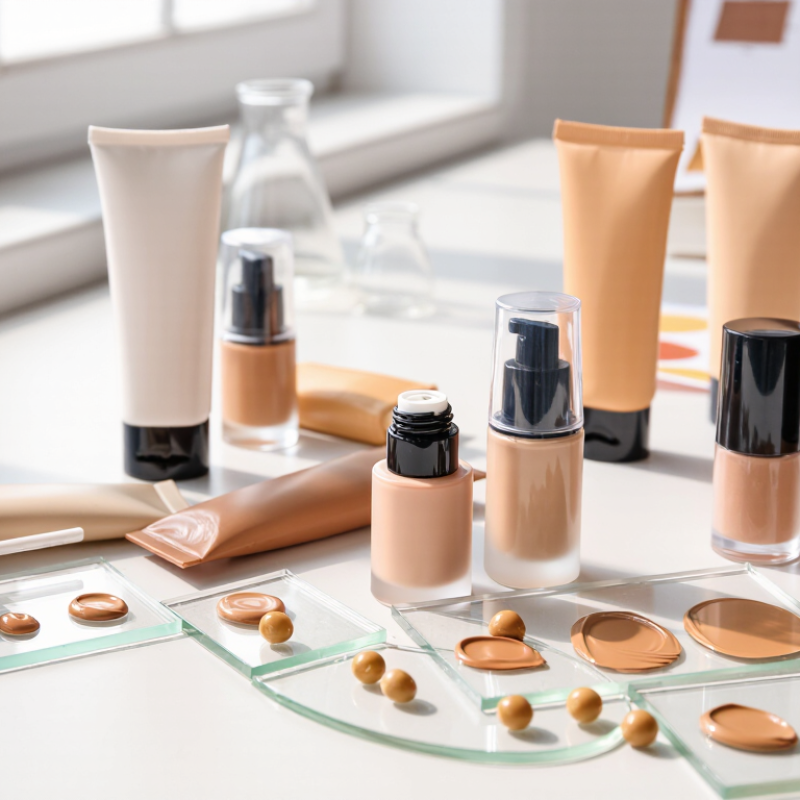
Define Your Tinted Moisturizer BB Cream Requirements
Before contacting suppliers, define who will wear the tinted moisturizer BB cream and where it will be sold. Climate matters: a humid market may need a lighter, less tacky finish than a dry one. Specify the intended coverage, finish, skin types, and shade range. For example, list the lightest and deepest target shades, plus undertones, rather than requesting “inclusive shades.” Keep it measurable. McKinsey’s 2023 State of Beauty report projected the global beauty market could reach $580 billion by 2027, with roughly 6% annual growth. That broad forecast signals opportunity, but it does not tell you which formula your customers will prefer.
Put practical limits in the brief, too. Note the preferred texture, packaging format, target cost, order quantity, and launch timeline. State whether you need fragrance-free options or specific ingredient exclusions, and ask suppliers to explain how they verify formula stability and product claims. If sun protection is part of the concept, request the relevant test evidence; do not treat an ingredient list as proof of performance. Compare samples under the same conditions: apply equal amounts, check shade in daylight, and note pilling after moisturizer and sunscreen. A sample can look lovely on the hand and fail on the face. I would leave room to revise the brief after wear tests; the first shade plan is rarely perfect.
How to Find Tinted Moisturizer BB Cream Suppliers - Define Your Tinted Moisturizer BB Cream Requirements
| Requirement Area | Example Buyer Specification | What to Confirm with Suppliers | Evidence to Request |
|---|---|---|---|
| Product format | Tinted moisturizer / BB cream; ready-to-fill finished formula or custom formulation. | Whether the supplier offers stock formulas, customization, or both. | Product brief, formula options, and sample availability. |
| Coverage and finish | Light, buildable coverage with a natural finish; specify desired feel and wear time during development. | How coverage, finish, spreadability, and wear are evaluated and adjusted. | Samples, evaluation criteria, and available product test results. |
| Shade range | An initial range of 8 shades, with undertones selected to suit the intended market. | Shade-development capability, color matching process, and per-shade production minimums. | Physical shade samples and documented shade approvals. |
| Formula and ingredients | Define ingredient preferences, restricted ingredients, fragrance preference, and any claims the product must support. | Ingredient substitutions, formula ownership terms, and ingredient compliance for target markets. | INCI list, formula documentation, and relevant ingredient declarations. |
| Sun protection claims | Include an SPF claim only if required testing and market-specific regulatory requirements can be met. | Testing responsibility, claim substantiation, timelines, and applicable market rules. | Relevant test reports and supporting claim documentation, where applicable. |
| Packaging | 30 mL tube or pump bottle; confirm material, closure, decoration, and compatibility requirements. | Available components, customization options, packaging minimums, and filling compatibility. | Component specifications, artwork template, and compatibility or stability information. |
| Order quantity and pricing | Request quotes at several planned order volumes; set the initial quantity after reviewing samples and costs. | Minimum order quantity per formula, shade, and packaging type; sample, tooling, and setup fees. | Itemized quotation with payment terms and quote validity. |
| Quality and manufacturing | Require documented quality controls appropriate to the product and intended sales markets. | Manufacturing location, quality procedures, batch traceability, and applicable certifications. | Current certificates where applicable, audit information, and sample batch records. |
| Testing and shelf life | Define required stability, microbiological, and packaging compatibility evaluations with the supplier. | Tests included, testing laboratory, lead times, and how shelf life is established. | Available test summaries and batch-specific quality documents. |
| Lead time and logistics | Set target dates for samples, production, and delivery before placing an order. | Separate timelines for formulation, shade approval, packaging, production, and shipping. | Written production schedule, shipping terms, and export-document requirements. |
Example specifications are starting points for supplier discussions. Confirm product claims, testing, labeling, and regulatory requirements for each intended sales market.
FAQS
Define coverage, finish, skin types, shade range, texture, packaging, target cost, order quantity, and launch timeline. Be specific.
Humid climates may suit lighter, less tacky textures. Dry climates may need a more comfortable finish. Test both on skin.
Give the lightest and deepest target shades, plus undertones. “Inclusive shades” alone is too vague.
Apply equal amounts under the same conditions. Check shades in daylight and indoor light. Notice pilling over moisturizer and sunscreen.
Not by itself. A sample may look lovely on a hand and fail on the face. Test it during normal wear.
Contract manufacturers can develop or adjust formulas. Private-label suppliers offer existing formulas with limited changes. Distributors may provide less formula control.
Try trade fairs, industry directories, sourcing platforms, and specialist referrals. Verify facilities, experience, and communication.
Ask for ingredient lists, quality-control records, testing documents, and written cost breakdowns. Request specifics on shade consistency and batch checks.
Compare minimum order quantities, lead times, packaging options, and separate formula, filling, packaging, and shipping costs. Some details may need follow-up.
Conclusion
Finding reliable Tinted Moisturizer BB Cream suppliers starts with clearly defining your product requirements, including desired coverage, skin feel, ingredients, packaging, and target customer. Then explore suitable sourcing channels, such as manufacturers, wholesalers, or sourcing agents, and create a shortlist based on their experience and capabilities.
Before choosing a supplier, review its credentials, quality processes, formula options, and ability to meet relevant product and market requirements. Request samples to assess performance, and compare pricing, minimum order quantities, lead times, and production capacity. Finally, examine payment terms, quality expectations, communication practices, and other contract details. A careful evaluation and clear agreement can help establish a dependable partnership and support consistent product quality as your business grows.