Industry Insights & Beauty Trends
Expert strategies, cosmetic manufacturing guides, and growth tips for beauty brand founders.
Choosing the best Exfoliating Face Polish is less about finding the roughest texture and more about understanding your skin’s needs. A smooth, polished feeling can be satisfying, but immediate softness does not always mean healthy exfoliation. Ingredients, particle size, fragrance, and application pressure all deserve attention. Skin can look brighter after one use, yet irritation may appear the next morning.
Board-certified dermatologist Dr. Joshua Zeichner offers a useful reminder: “More is not always better.” This principle matters when comparing physical scrubs with formulas containing gentle acids, enzymes, or soothing ingredients. A product with fine, rounded particles may feel less abrasive than a sharp, uneven scrub. However, even a mild polish can cause redness when used too often or pressed too firmly. Keep it simple.
This guide will examine how to choose an Exfoliating Face Polish for dry, oily, combination, sensitive, and blemish-prone skin. It will also consider texture, cleansing ingredients, moisturizing support, and safe usage frequency. A warm washcloth, a pea-sized amount, and light circular motions may be enough. Avoid the eye area and irritated skin. Patch testing remains sensible, even when a product appears gentle.
No choice is perfect on the first try. Skin changes with weather, stress, medication, and age. That is easy to overlook. If tightness, burning, or persistent redness develops, reduce use or stop entirely. The best polish should leave skin comfortable, not squeaky, raw, or unusually shiny. Careful observation matters as much as the product label.
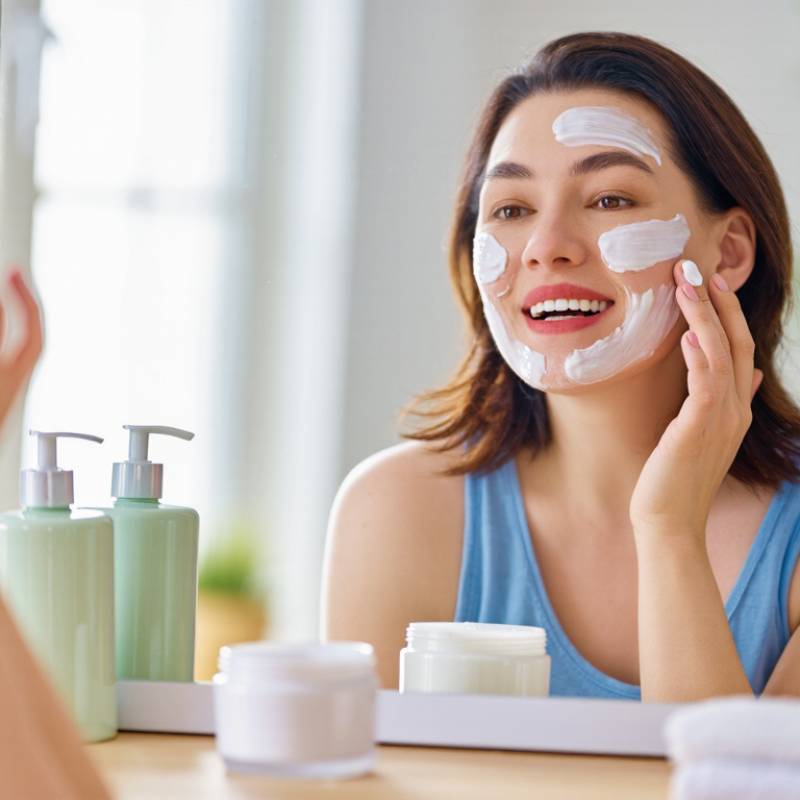
What Is an Exfoliating Face Polish and How Does It Work?
An exfoliating face polish is a rinse-off product containing fine particles or mild acids. It loosens dead surface cells, excess oil, and trapped residue. Physical particles create gentle friction, while acids dissolve bonds between corneocytes. The stratum corneum usually contains about 10–20 cell layers, according to dermatology research reviewed in the International Journal of Cosmetic Science. Removing only the loose outer cells can make skin feel smoother. Scrubbing harder does not improve the result.
My practical rule is simple: polish lightly on damp skin for about 20–30 seconds. Avoid active breakouts, cuts, and irritated areas. The American Academy of Dermatology Association warns that aggressive exfoliation may increase redness, dryness, and sensitivity. This matters because the skin barrier is not a disposable surface. I once used a grainy scrub too often and confused temporary smoothness with healthier skin. That was a mistake.
Tips: Choose rounded, fine particles or a low-strength acid formula. Use it once weekly at first. Rinse with lukewarm water, then apply a fragrance-free moisturizer. Wear broad-spectrum sunscreen afterward, especially when using acids. Stop if burning continues. Patch testing helps, but it cannot predict every reaction. Professional guidance is sensible for eczema, rosacea, or persistent irritation.
| Exfoliating Polish Type | How It Works | Typical Exfoliating Agents | Best Suited For | Recommended Starting Frequency | Key Selection Considerations | Main Precautions |
|---|---|---|---|---|---|---|
| Fine Physical Polish | Uses small solid particles to loosen and lift surface dead skin through gentle massage. | Uniform silica, finely milled cellulose, or smooth synthetic beads. | Normal or combination skin that is not easily irritated. | Once weekly | Choose a smooth, uniform texture and a cream or gel base that allows the product to glide. | Avoid vigorous pressure, damaged skin, active breakouts, and the eye area. |
| Sugar- or Salt-Based Polish | Granular crystals provide manual exfoliation and dissolve or soften during use, depending on the formula. | Sugar or salt crystals suspended in a moisturizing base. | Body skin is generally better suited than facial skin; only very fine, facial-specific formulas should be considered for the face. | Every 1–2 weeks if tolerated | Look for small, rounded particles and avoid products designed for the body. | Large or sharp crystals can cause irritation; salt may sting compromised or freshly shaved skin. |
| Enzyme Polish | Uses proteolytic enzymes to help break down proteins in surface flakes, reducing the need for scrubbing. | Fruit-derived enzymes such as papain or bromelain. | Normal, dry, or texture-prone skin that prefers low-friction exfoliation. | Once weekly | Select a short contact time and a formula with clear usage instructions. | Patch-test first; discontinue if burning, persistent redness, or swelling occurs. |
| Acid-Enhanced Polish | Combines light physical polishing with a chemical exfoliant that loosens bonds between surface cells. | Alpha hydroxy acids, beta hydroxy acid, or polyhydroxy acids. | Texture, dullness, or excess oil, depending on the acid used and its concentration. | Once weekly at first | Prefer lower-strength products for beginners and avoid combining several exfoliating products in one routine. | May increase irritation and sun sensitivity; use broad-spectrum sunscreen during daytime. |
| Cream-Based Polish | Provides mild physical exfoliation while the emollient base helps reduce friction during massage. | Fine polishing particles, emollients, and moisturizers. | Normal to dry skin that needs a more cushioned application. | Once weekly | Choose a fragrance-free option if the skin is sensitive and avoid a dry, draggy texture. | Do not use on cracked, sunburned, or actively inflamed skin. |
| Gel-Based Polish | Uses a lightweight gel vehicle to suspend exfoliating particles and rinse away easily. | Fine particles, water-based humectants, and gel-forming ingredients. | Combination or oily skin that prefers a lighter finish. | Once weekly | Look for a formula that rinses clean without leaving tightness or a squeaky feeling. | Overuse can contribute to dryness, stinging, or increased sensitivity. |
| Sensitive-Skin Option | Minimizes friction by using very gentle exfoliation, a low frequency, or a non-abrasive approach. | Enzymes, polyhydroxy acids, or exceptionally fine smooth particles. | Skin prone to redness, dryness, or discomfort from scrubbing. | Every 10–14 days or as tolerated | Prioritize fragrance-free, alcohol-free, and low-irritant formulas with simple ingredient lists. | Patch-test first and stop use if irritation develops; consult a dermatologist for persistent sensitivity. |
| Acne-Prone Skin Option | May help remove surface buildup, while leave-on chemical exfoliants can target oil within pores more directly. | Very gentle particles or a low-strength beta hydroxy acid formula. | Congested or oily skin without active irritation. | Once weekly at first | Choose non-comedogenic, lightweight formulas and avoid polishing over inflamed blemishes. | Scrubbing active acne can worsen discomfort and visible redness; do not pick or abrade lesions. |
| All Skin Types: Usage Basics | Exfoliation removes some surface flakes but does not replace cleansing, moisturizing, or sun protection. | Depends on the selected formula and skin tolerance. | Anyone using a face polish, provided the skin barrier is intact. | Usually 1–2 times per week maximum | Apply to damp skin with light pressure, rinse thoroughly, and moisturize afterward. | Avoid using on sunburn, cuts, eczema flares, or immediately after other irritating treatments. |
FAQS
Wash with a gentle cleanser and wait 30 minutes. Tightness may suggest dry skin. Shine across your face often suggests oily skin. A shiny forehead and nose may indicate combination skin. Redness or stinging suggests sensitivity, not extra dirt.
Choose fine, rounded particles that glide over damp skin. Avoid sharp, uneven grains. A creamy base may reduce friction. It should feel smooth, not scratchy.
Use light pressure and a mild formula. Fragrance-free options may reduce irritation. Sensitive skin may need no physical exfoliation. Less is safer.
Begin once weekly. Oily skin may tolerate twice weekly. Daily use is rarely necessary. Your skin may need less during cold, dry weather.
Use a pea-sized amount on damp skin. Massage gently for about 20 seconds. Use small circles and clean fingertips. Rinse with lukewarm water, then apply moisturizer.
Avoid eyelids, lips, cuts, rashes, sunburn, and freshly shaved areas. Do not scrub active irritation. Flakes are not permission to press harder.
Avoid using it alongside retinoids, strong acids, or irritating treatments. Multiple exfoliating actions may increase irritation. Check the ingredient list carefully. Stronger is not automatically better.
Apply a small amount near your jawline. Leave the area undisturbed for 24 hours. Watch for redness, burning, or unusual tightness. A patch test is useful, but not perfect.
Stop using the polish. Cleanse gently and apply a plain moisturizer. Let your skin recover. Seek professional advice if redness, burning, or peeling continues.
Yes, your assessment may be wrong. Recheck it during winter, humid weather, or acne treatment. Judge your skin the next morning. I once thought stronger scrubbing worked faster; it only made my cheeks raw.
Conclusion
Choosing the best Exfoliating Face Polish starts with understanding how it works. This type of skincare product helps remove surface buildup and dead skin cells, leaving the complexion feeling smoother and looking more refreshed. Before selecting one, identify your skin type and specific needs. Dry or sensitive skin may benefit from a gentle formula used less often, while oily or combination skin may tolerate a slightly stronger texture. Ingredients should support effective exfoliation without causing excessive dryness, redness, or discomfort.
When comparing products, consider the size and softness of the exfoliating particles, the overall formula, and whether it contains soothing or moisturizing ingredients. A product that feels too rough or abrasive may damage the skin barrier, even if it produces an immediately smooth feeling. Use face polish on clean, damp skin with light pressure, rinse thoroughly, and follow with moisturizer and daytime sun protection. Start gradually, avoid over-exfoliating, and adjust frequency according to how your skin responds.